Monastic weaving beads: Basics and Benefits
Content
- Advantages of monastic art
- The process of weaving
- Tips for beginners
- Video: Foundations of the monastery weaving
Using the initial technique monasterybeadwork, you can create your own hands the original copies of the jewelry, and even things that will complement your home decor. Some of them can be presented in the form of a present. In this article you will learn detailed way how the monastery's weaving beads.



Advantages of monastic art
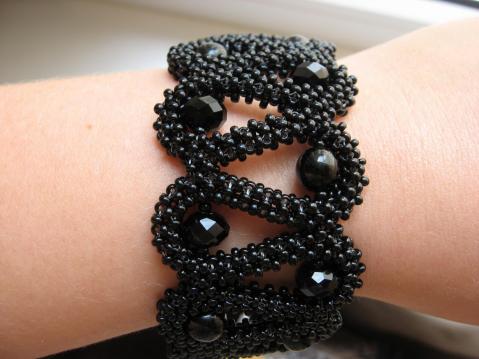
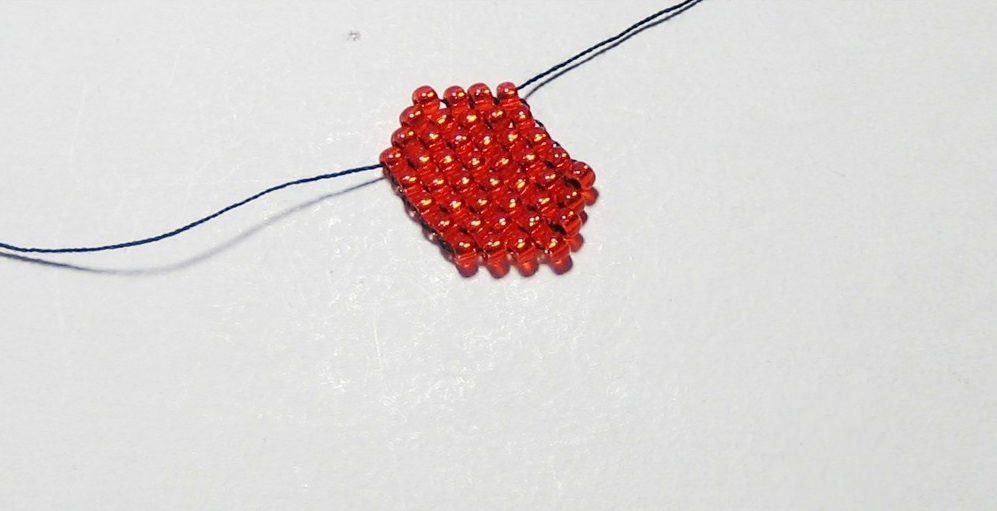
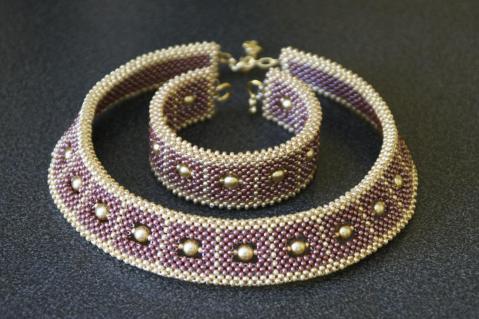
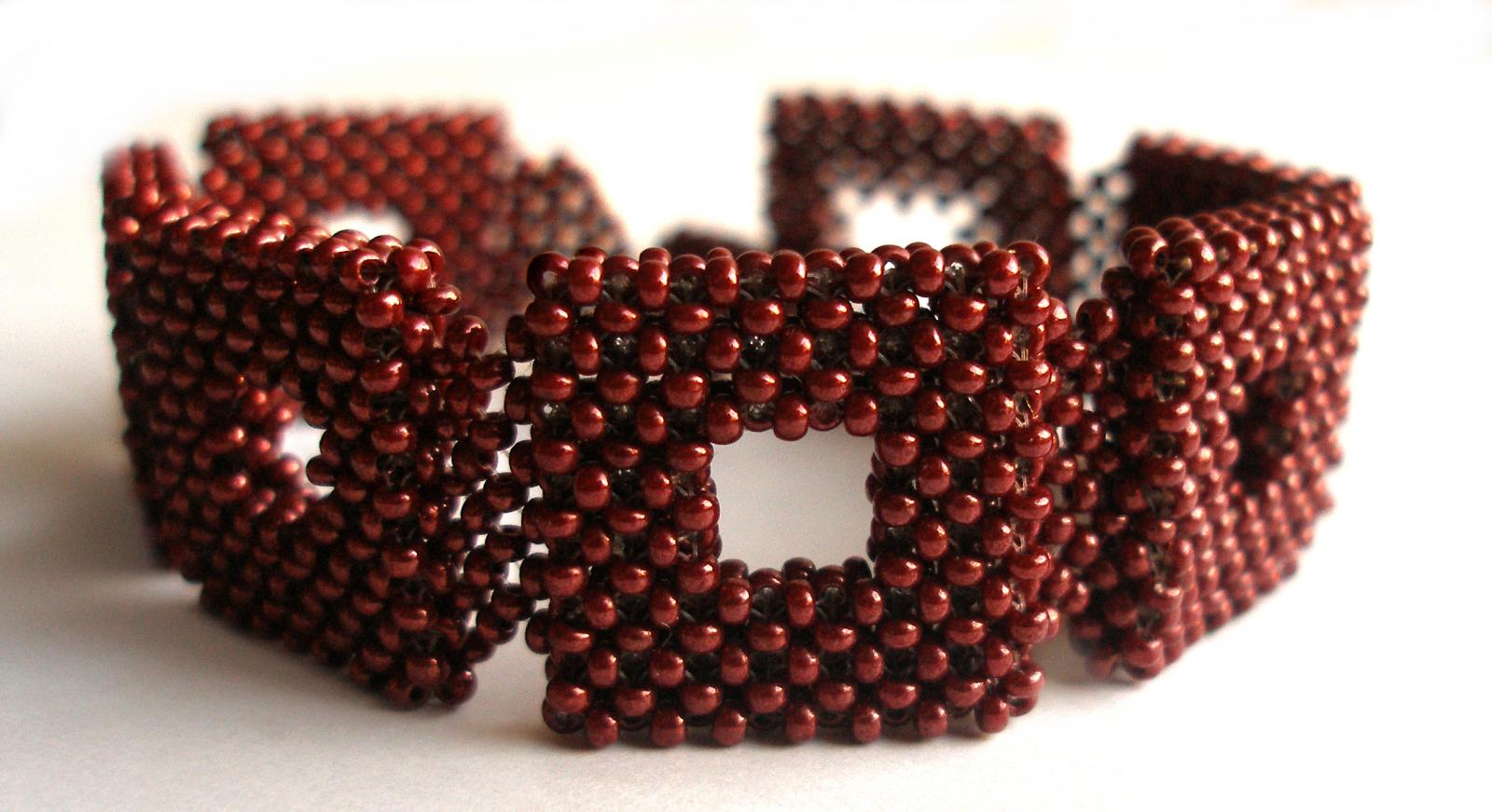
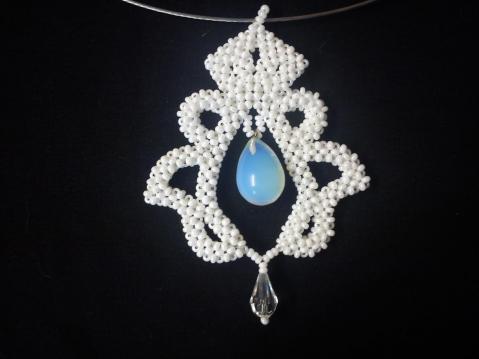
The basis is to create beadinga kind of cross. As a result, it formed a web of fine mesh, which is used in a variety of purposes. In general - is the creation of original jewelry. For example, if you make a bracelet in this way, it will look great without decoration, as well as with pointing of stone and crystals.
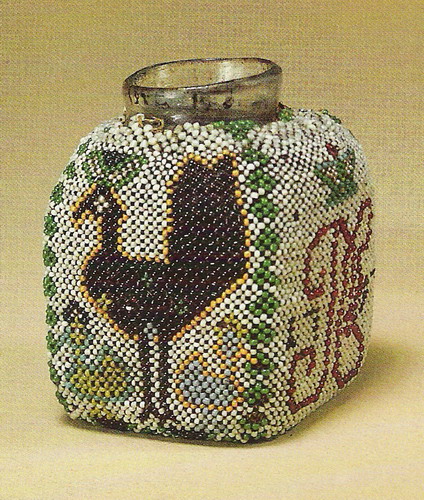
Another monastery is decorated with a variety of weavinginterior gizmos. You can take any bottle from glass and do on the surface twining beads. The use of colored beads and the use of different patterns, making it possible to put the bottle on the shelf as the main decoration of the room.
The process of weaving
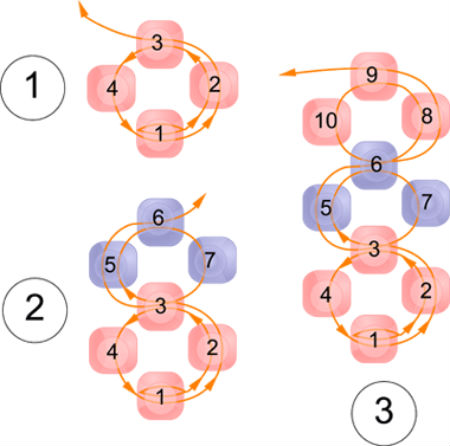
In this article, you will be presented schemewhich makes it easy to master the method under consideration. Take otrez wire, its length will depend on the scope of craftworks, and type four beads. Then one end of the wire pull through the first three features, thereby forming a bead ring. Thus, you not only commit to the glass base material, but also create the first characteristic cross.
This is followed by a needle strung on three things,and then enter a needle in a fourth bead last strip. You should have the following cross. Re-enter the needle is formed in the link, and start the next series to weave in exactly the same way: three string of glass and insert the needle at the last previous number.
If your chain is somehow turned out notcompletely flat, you need to flatten it with your hands, returning to the place of all the beads, which is worn out the whole band. The width of the crafts depending on how many units you have completed in one line. As you could see, the monastery itself weaving to make a very simple and it can be said that fast.
Tips for beginners
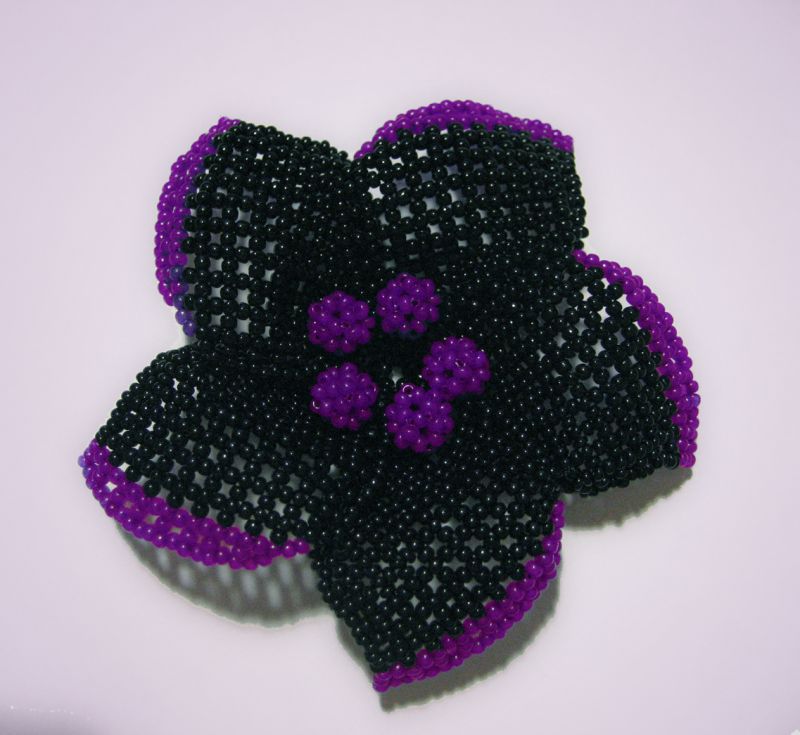
This weaving can create not only densein appearance, but much more free. Therefore, in some products, you can watch different density bindings beads. Two identical products, can look completely different if they perform different densities. To clip most suitable beading coarse mesh. Such a method will reduce your time in half, which is especially suitable for beginners masters.
You can even use only two typesbeads to create a beautiful product. For beginners, it is very convenient because you do not get confused in the variety of colors of the base material. Correctly chosen two contrasting colors, and rumors of them hairpin, you will see how wonderful the product turned out. It is not recommended to work with logging and beads in this technology, because these materials can contribute to abrasion thread that ripped, disrupt and eventually ruin your product. Restoring these misunderstandings very hard. Instead, you can combine beads with smooth beads that are much better decorate crafts. Beads choose to work calibrated, otherwise the hack will not look very aesthetically pleasing.
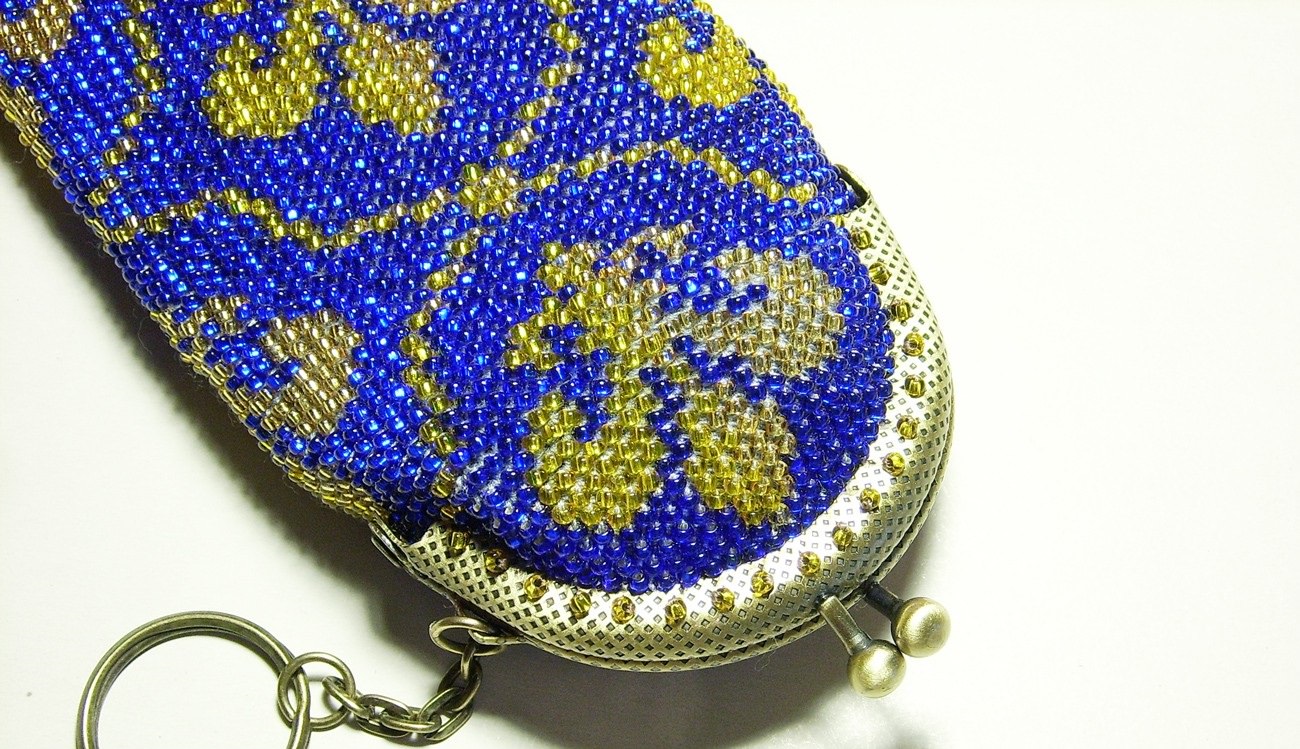
More experienced masters can combinemonastic engineering designs and patterns. For example, a simple ornament will make a beautiful Case for Easter eggs on the eve of the great feast. In total, having developed imagination, natural taste and skills training with the beads, you can get the original and unique gifts to relatives and friends. Net fabric can be rotated left and right at an angle of forty-five degrees, and braid them various bulky items, that is, to create and enjoy the creative process. We recommend that you watch the video lesson, from which you will learn all the material vividly described above. It will help to consolidate all traveled topic.
Video: Foundations of the monastery weaving